

Table of Contents
Summary:
Eczema has the medical name of atopic dermatitis. It is a common chronic skin condition that causes dry, itchy and inflamed skin. It can affect people of any age but most commonly begins in early childhood. The itch can be intense and scratching frequently makes the rash worse. There is no cure for eczema at this time. However proper management with moisturisers and medications can control symptoms effectively. Triggers are personal and vary in different individuals. Following a consistent skincare routine is key to reducing flares. This guide provides insight to the condition including information that is valuable for those diagnosed with eczema and uses strict medical guidance only.
What Is Eczema?
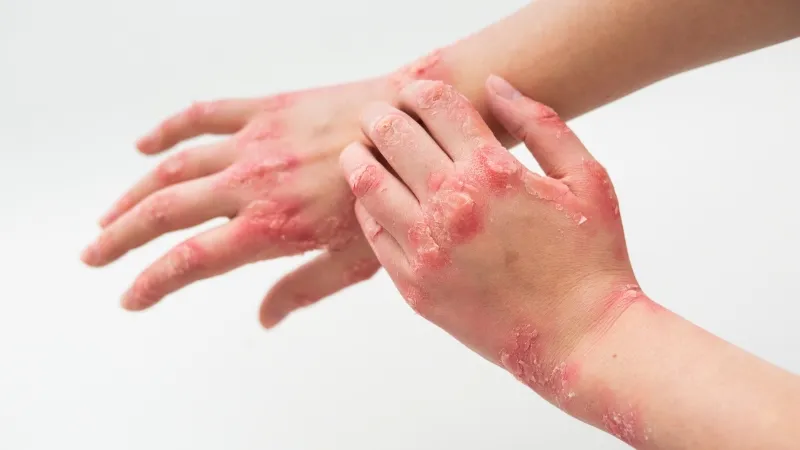
Eczema, also known as atopic eczema or atopic dermatitis, is a chronic inflammatory skin disorder. The term "atopic" refers to a genetic tendency to develop allergic conditions. These include asthma, hay fever or food allergies. "Dermatitis" simply means inflammation of the skin. People with eczema or atopic dermatitis often have family members who also have eczema, asthma or hay fever.
The condition is characterised by dry, scaly skin and intense itching. It follows what doctors call a relapsing and remitting course which means symptoms come and go in waves. Flares can be triggered by many different factors. These include irritants, allergens, stress or changes in weather. The condition is most common in children but many adults continue to experience symptoms. Some adults even develop the condition for the first time later in life.
Eczema Causes
The exact cause of eczema is not fully understood by medical science. However research points to a combination of genetic and environmental factors. People with eczema and atopic dermatitis have a defective skin barrier. This allows moisture to escape from the skin. It also allows irritants and allergens to enter, which then triggers inflammation.
Genetic factors: The strongest link to eczema are mutations in a gene called filaggrin (FLG). Filaggrin is tasked with maintaining the skin's protective barrier and when this gene does not work properly, the skin becomes dry and vulnerable. 50% of people with severe eczema carry FLG gene mutations.
Immune system dysfunction: The immune system overreacts to environmental triggers in people with eczema which leads to chronic inflammation and persistent itching. Th2 helper cells which are specific immune cells play a major role in this process. Cytokines such as IL-4 and IL-13 are also involved.
Environmental triggers: Common triggers that can cause a flare include:
- Soaps, detergents and bubble baths
- Rough fabrics like wool or polyester
- House dust mites
- Pet dander from cats or dogs
- Certain foods, especially in young children
- Emotional stress
- Heat and sweating
- Dry air or cold weather
Eczema Symptoms to Watch For
The symptoms of eczema vary depending on a person's age. However itching is present in all cases without exception. The itch-scratch cycle can lead to thickening of the skin over time. Doctors call this lichenification.
In infants under 2 years:
- The rash often appears on the cheeks, scalp and the outer surfaces of the arms and legs.
- The skin may weep clear fluid and form crusts.
- What helps distinguish eczema from other rashes is that the nappy area is usually spared.
In children aged 2 to 12 years:
- The rash commonly affects the flexures. These are the inside of the elbows and behind the knees.
- Other common areas include the wrists, ankles and neck.
- Due to chronic scratching over time, the skin appears drier and thicker
In teenagers and adults:
- The rash often involves the flexures, hands, face (especially around the eyes) and nipples.
- The skin is typically thickened and very dry.
- Adults may develop a form of hand eczema that is particularly difficult to treat.
Regardless of age, the skin is always dry and sensitive. Flares can be triggered by soaps, detergents, rough fabrics or extremes of temperature. Recognising these eczema symptoms early is invaluable, allowing for prompt treatment.
Eczema Treatment Options
Eczema treatment follows a stepwise approach. The intensity of treatment is increased as needed working towards a goal of controlling symptoms, preventing flares and improving quality of life. There is no one-size-fits-all plan. Treatment is always tailored to the severity of the condition.
Emollients (moisturisers): The foundation of all eczema treatment are emollients. Even when the skin looks completely clear, they should be used every single day. They hydrate the skin and help repair the barrier. Large quantities are needed, typically 250g to 500g per week for a child. The best products are those that are unperfumed. They worked best when applied smoothly onto the skin in the direction of hair growth, not rubbing back and forth.
Topical corticosteroids (steroid creams): These are used to treat active flares. They reduce inflammation and stop itching quickly. The potency depends on the severity of the flare and the body site being treated. Mild steroids are used on the face and neck. Moderate or potent steroids are used on the body and limbs. Once or twice daily application is enough until the flare resolves, then stopped. Steroids are safe and effective when used correctly under medical guidance, even though many people fear them.
Topical calcineurin inhibitors: For a steroid free alternative, these are another option. Particularly for sensitive areas like the face or genitals, they are used for moderate eczema. Tacrolimus and pimecrolimus are examples. They do not cause skin thinning like steroids can.
Antihistamines: Oral antihistamines are no longer routinely recommended for eczema. They do not reduce itching effectively in most cases. However sedating antihistamines may help with sleep if itching is severe at night.
Bandages and wet wraps: During severe flares, these can be used for short periods. They protect the skin, stop scratching and help creams absorb better. They add complexity to the routine and are not for everyday use.
Phototherapy (light therapy): For moderate to severe eczema that does not respond to topical treatments, ultraviolet light therapy is used. It is usually given in a hospital dermatology department two or three times per week.
Systemic treatments (oral or injected drugs): Systemic options are available for severe, treatment-resistant eczema. These include:
- Ciclosporin, methotrexate and azathioprine which are conventional immunosuppressants
- Biologics which are newer injectable drug that targets specific immune pathways such as dupilumab
- Oral drugs for moderate to severe disease like the JAK inhibitors abrocitinib, baricitinib and upadacitinib,
Due to potential side effects, these treatments all require specialist supervision.
Treating infections
Eczema skin is prone to bacterial infections, especially from Staphylococcus aureus. It is also prone to viral infections. Signs of infection include weeping, yellow crusts, pain or cold sores that spread rapidly. For bacterial infections, antibiotics (oral or topical) are mostly used. Eczema herpeticum, which is a medical emergency requiring urgent hospital care requires antiviral drugs.
When to Seek Immediate Medical Attention
Most of the time, eczema can be managed with emollients and topical steroids from a general practitioner. However some situations require urgent medical attention. You should see a doctor or seek emergency care if:
- The eczema is severe or covers a large area of the body.
- Treatment is not working after 7 to 14 days of consistent use.
- The skin looks infected with weeping, yellow crusts, increased pain or fever.
- Cold sores or blisters appear on the eczema and spread rapidly. This could be eczema herpeticum.
- Eczema is affecting sleep, school or work significantly.
Eczema herpeticum requires urgent hospital treatment without delay and you should not wait to see if it improves on its own.
Conclusion
Eczema is a chronic condition, but with the right approach, it can be managed effectively. With supportive care alone, most people recover fully between flares. Understanding eczema and atopic dermatitis helps patients recognise their personal triggers and take control of their condition in a way that works best for them. A non-negotiable is daily emollient use, for maintaining skin barrier function. When applied correctly, flares respond well to timely use of topical corticosteroids. Newer systemic medications offer real hope for relief for severe cases that do not respond to standard treatments.
At NMC Healthcare our dermatology teams manage eczema cases of all severity levels. We offer personalised treatment plans under the latest international guidelines where patient education and access to advanced therapies.
References
- National Center for Biotechnology Information. Atopic Eczema in Under 12s: Diagnosis and Management (https://www.ncbi.nlm.nih.gov/books/NBK571009/). Published 12/2023. Accessed 10/4/2026.
- PubMed. Atopic Dermatitis: A Review of Diagnosis and Treatment (https://pubmed.ncbi.nlm.nih.gov/39659858/). J Pediatr Pharmacol Ther. 2024 Dec;29(6):587-603. Accessed 10/4/2026.
- PubMed. Atopic Dermatitis: Diagnosis and Treatment (https://pubmed.ncbi.nlm.nih.gov/32412211/). Am Fam Physician. 2020 May 15;101(10):590-598. Accessed 10/4/2026.

