

Table of Contents
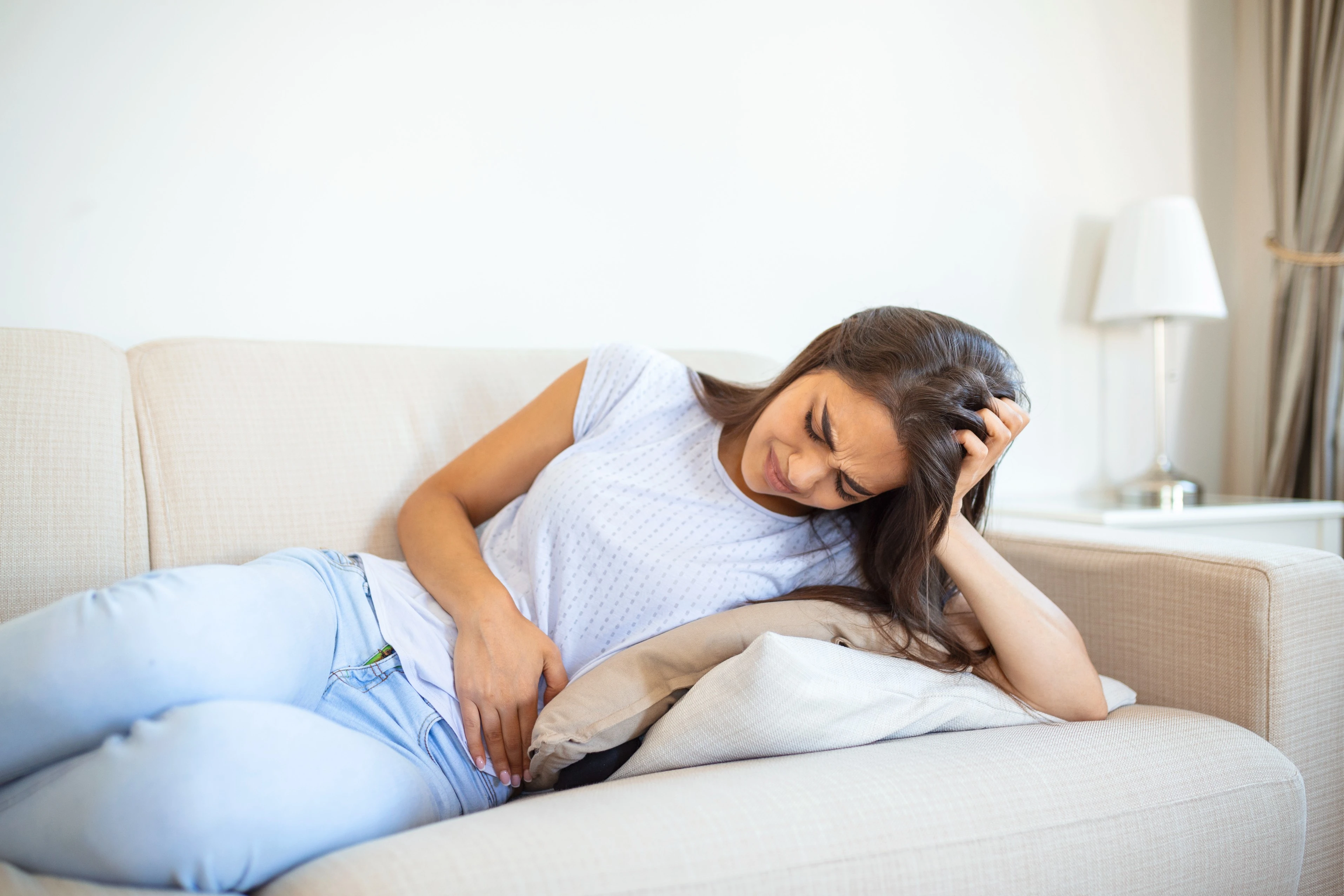
Dysmenorrhoea is defined as "painful menstruation" or period cramps. During menstruation, because of prostaglandins, uterine contractions occur to shed its inner lining. These prostaglandins are responsible for the occurrence of pain. Most women experience some degree of menstrual cramping; however, between 5 to 15% of women experience severe pain. The American College of Obstetricians and Gynaecologists (ACOG) believes this percentage is even larger since many women who suffer from period pain do not report their experiences.
Understanding Dysmenorrhea and Severe Period Pain
There are two types of dysmenorrhoea. The first and most common is primary dysmenorrhoea. This defines recurrent menstrual cramping without an identifiable reason. Typically, the pain begins one to two days prior to the onset of menses and resolves shortly after. Secondary dysmenorrhoea, on the other hand, is caused by some other medical reason affecting the reproductive organs. Generally, the pain of secondary dysmenorrhoea begins earlier in the menstrual cycle and continues longer than primary dysmenorrhoea. In many cases, period pain decreases in severity with age and improves postpartum. Light to moderate cramping is generally considered normal; however, if cramps prevent you from performing normal day-to-day activities, then you shouldn't have to go through them alone.
Dysmenorrhea Symptoms and Red Flags
The majority of individuals who experience dysmenorrhoea describe the symptoms of their condition as follows:
- Aching or throbbing pain in the lower abdomen area
- Feelings of pressure in the pelvic region and/or radiating pains to the hips
- Lower back pain and/or pain in the inner thigh areas
Many women who experience dysmenorrhoea also experience additional symptoms, such as nausea, dizziness, weakness, headache, and diarrhoea.
Dysmenorrhoea pain typically begins 24-48 hours prior to menses onset and resolves within 48 hours of menses onset. While some degree of discomfort is expected when experiencing a menstrual cycle, there are certain symptoms that warrant contacting a healthcare professional immediately. Those symptoms include:
- Severe or unusual cramping
- Pain lasting longer than three days
- Symptoms preventing you from attending school/work
Heavy bleeding, deviating from your typical menstrual cycle and persistent nausea/dizziness are examples of symptoms worth reporting to your healthcare provider. Maintaining a symptom journal will aid your health care provider in assessing your condition accurately.
Common Causes of Primary and Secondary Dysmenorrhea
When prostaglandin stimulates your uterus to contract so that it can shed its lining, menstrual cramps occur. Prostaglandin levels increase approximately 2 weeks before the onset of menses and decrease when your menses begin. Therefore, the pain associated with dysmenorrhoea tends to resolve itself after a few days.
Researchers believe those with more extreme menstrual cramp symptoms tend to produce more prostaglandins, while individual factors contribute greatly to varying degrees of symptomatology, and there is often little explanation for this disparity.
Secondary dysmenorrhoea is characterised by a pre-existing condition of the female reproductive system that creates the pain. Examples of these conditions include:
- Endometriosis: Tissues located outside of the uterus that mimic the uterine lining create swollen, scarred tissues that cause intense pain during menstruation.
- Adenomyosis: The uterine lining invades the uterine muscles, causing an enlarged uterus with irregular bleeding patterns and chronic pelvic pain.
- Uterine fibroids: Non-cancerous tumours growing inside/around the walls of the uterus can create uncomfortable sensations and heavy bleeding.
- Pelvic inflammatory disease (PID): Bacterial infections originating in the uterus, which can travel to other parts of the female reproductive tract, including the fallopian tubes, ovaries and surrounding structures, resulting in acute pelvic pain.
- Cervical stenosis: Narrowing of the cervix restricts blood flow, increasing intrapelvic pressure and generating chronic pelvic pain.
Women are more likely to develop dysmenorrhoea if they have their first menstrual cycle before age 12, or if younger than 20 years old, or if she experiences prolonged/heavy menses (more than 7 days), or she smokes cigarettes, or she has a history of developing dysmenorrhoea in their family.
Clinical Diagnosis and When to Seek Specialist Care
Healthcare professionals will begin the process by reviewing your symptoms and menstrual history. They will perform a pelvic exam to identify any potential issues related to an underlying condition. If they suspect secondary dysmenorrhoea based on your symptoms/history, they will refer you for additional testing to establish a better understanding.
Additional testing could be in the form of Ultrasound technology, which uses sound wave imaging to produce pictures of your uterus, ovaries, and surrounding female reproductive organs. Laparoscopic examination is rarely required, and it uses a small telescope inserted through a very small abdominal incision to evaluate your reproductive organs in detail.
Hysteroscopy, which involves using a telescope to visually inspect the interior surface of your uterus, is rarely needed. If an underlying condition exists, your healthcare professional will outline available treatment options for addressing the specific condition(s) diagnosed and the subsequent course of action.
Dysmenorrhea Treatment and Management Options
Fortunately, methods for managing menstrual cramp-related dysmenorrhoea vary from over-the-counter medications to modifications in lifestyle habits and treatments provided by specialists.
- Over-the-counter nonsteroidal anti-inflammatory drugs (NSAIDs): Like ibuprofen and naproxen, commonly serve as the initial line of treatment for dysmenorrhoea. NSAIDs function by reducing prostaglandin production throughout your body and are most effective when used early on in your cycle, ideally upon initiation of cramping rather than delaying treatment until the pain is worse. If you cannot take NSAIDs, acetaminophen provides a viable alternative. Your healthcare professional may also prescribe high-dose anti-inflammatory medication if you do not get relief from taking over-the-counter options.
- Hormone-based contraceptive therapies: Such as oral contraceptives (the pill), transdermal patches and vaginal rings, can substantially alleviate menstrual cramping by regulating hormone levels and decreasing menstrual blood loss. If you are suffering from an underlying condition causing your pain, your healthcare provider will address this condition specifically and may prescribe medication/surgery depending on the nature of the diagnosed condition(s).
- Non-pharmacological methods: Beyond medication and hormone therapies, numerous non-pharmacological methods may offer substantial relief in addition to other treatments. These include the following:
- Using a heating pad on your lower abdomen/back
- Practising regular physical activity
- Limiting consumption of coffee/alcohol
- Massaging the lower back/abdominal regions
- Getting plenty of rest and sleep
- Participating in yoga
- Practising breathing techniques
- Consuming anti-inflammatory foods, such as green leafy vegetables, ginger and nuts
Supplementing with vitamin D/magnesium may provide additional relief for some individuals.
Conclusion
There are many effective treatments available for dysmenorrhoea, regardless of which type you suffer from. The most crucial factor in developing a treatment plan will be understanding whether your pain is primary or secondary. Thereafter, the treatment options are numerous, including over-the-counter pain relief products and hormonal therapy through to specialist diagnoses and surgical interventions. By tracking your symptoms and communicating openly with a healthcare provider, you can find a treatment plan that effectively manages your dysmenorrheal symptoms.
References
Armour, M., Ferfolja, T., Curry, C., Hyman, M. S., Parry, K., Chalmers, K. J., Smith, C. A., Schabrun, S. M., & Johnson, N. (2020). The prevalence and educational impact of pelvic and menstrual pain in Australia: A national online survey of 4202 young women aged 13–25 years. Journal of Paediatrics and Child Health, 56(10), 1049–1055. https://doi.org/10.1111/jpc.14889
Ferries-Rowe, E., Corey, E., & Archer, J. S. (2020). Primary dysmenorrhea: Diagnosis and therapy. Obstetrics & Gynecology, 136(5), 1047–1058. https://doi.org/10.1097/AOG.0000000000004096
Lacovides, S., Avidon, I., & Baker, F. C. (2015). What we know about primary dysmenorrhea today: A critical review. Human Reproduction Update, 21(6), 762–778. https://doi.org/10.1093/humupd/dmv039
Latthe, P., Mignini, L., Gray, R., Hills, R., & Khan, K. (2006). Factors predisposing women to chronic pelvic pain: Systematic review. BMJ, 332(7544), 749–755. https://doi.org/10.1136/bmj.38748.697465.55

