

Table of Contents
Summary
Osteoporosis is a medical condition where bones lose their strength and become more susceptible to fracturing. Osteoporosis can develop over time with no noticeable signs or symptoms; however, once a fracture occurs, it will be apparent that something is wrong. Loss of bone mass is a typical part of aging. However, in individuals with osteoporosis, the rate of bone mass loss exceeds the expected rate for age. Fortunately, there are several treatment options available that can assist in slowing down bone loss as well as reducing an individual's risk of breaking a bone (fracture).
What is Osteoporosis? Understanding Bone Density and Health
Osteoporosis is a structural disorder that leads to an increased fragility of bones due to their decreased density. Fragile bones make it easy for patients with osteoporosis to break one or both hips or other bones after falling onto a surface or just by twisting, lifting something, or even sneezing.
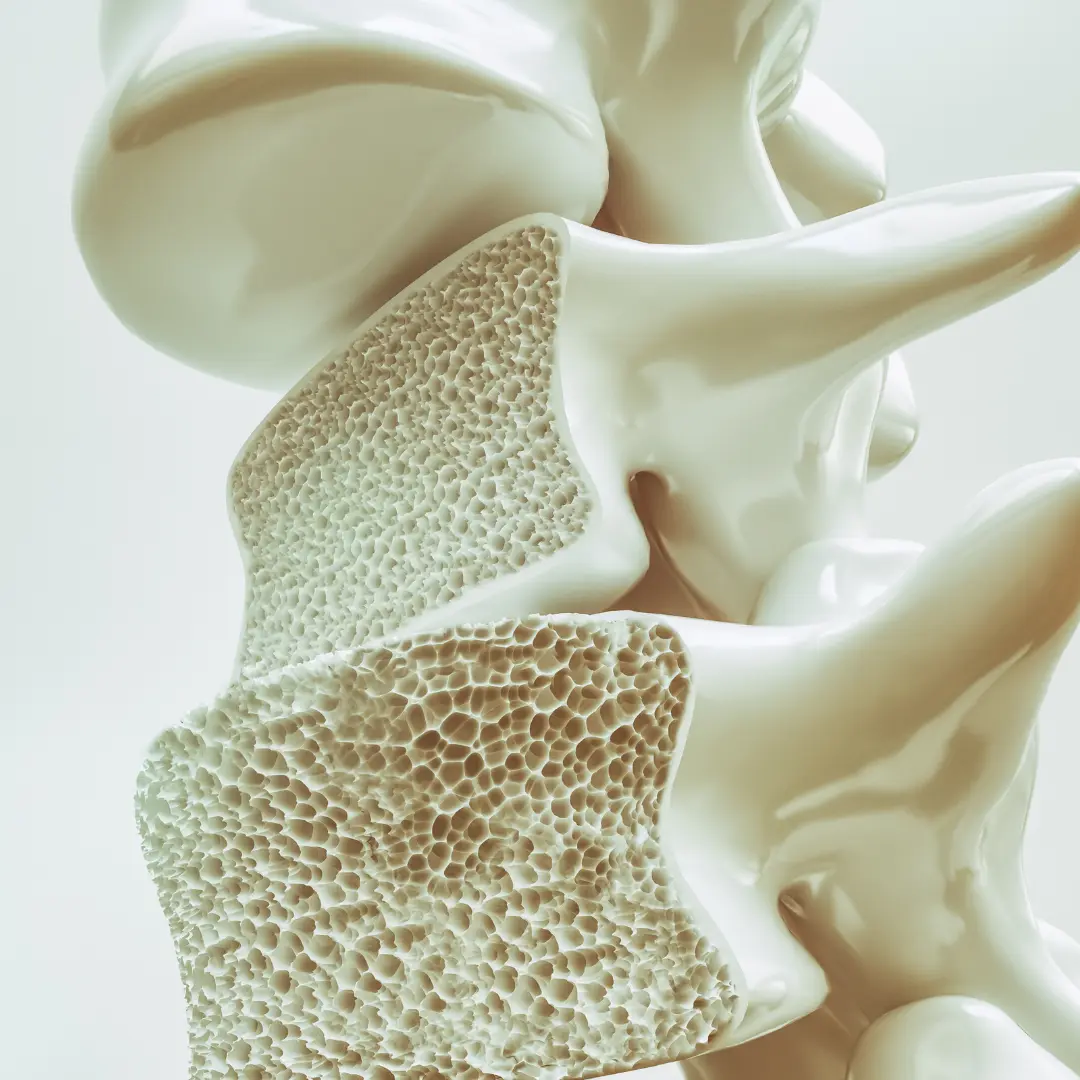
Bone is made of living cells. As new bone forms continuously, so does old bone. So long as there is a balance between the two processes, the adult skeleton will remain strong. But when you have osteoporosis, your body breaks down more bone than it builds up, resulting in weak and spongy bones on the inside.
Recognizing the Early Osteoporosis Symptoms
Like everyone else, you lose bone density as you grow older. But while age-related bone density decline is inevitable, the problem is that, in the case of osteoporosis, this loss is occurring at a much greater pace than usual. Fortunately, there are a number of ways to effectively manage bone loss and therefore reduce the incidence of fractures associated with this condition.
Bone density is a measure of the amount of calcium and other minerals contained within your bones. Therefore, the lower the density of your bones, the weaker they will be. Postmenopausal women suffer from accelerated bone mass loss. As such, they represent one of the largest demographic groups at risk for developing this condition.
Osteoporosis is referred to as a "silent" disease due to its nature of producing few to no noticeable symptoms similar to those produced by other diseases. There won't be a fever, headache or pain that indicates something is amiss. In fact, for many individuals suffering from osteoporosis, the initial indication that they are experiencing problems is a break from a relatively minor fall or incident that wouldn't normally result in an injury.
However, there are several early warning signs of osteoporosis worth keeping track of. These include:
- Height loss of more than an inch
- Changes in your posture, such as slouching or leaning forward
- Lower-back pain
More severe instances of osteoporosis may cause compression of the vertebrae in your spine. This can lead to decreased lung function and breathing difficulties. Like many chronic illnesses, these symptoms occur slowly and can easily be dismissed, so if you notice any of these signs or symptoms in yourself or someone else, it's definitely worth consulting with a healthcare professional.
Osteoporosis Causes and Risk Factors
The main cause of osteoporosis is the ageing process itself; however, several additional factors can cause this process to speed up and increase an individual's risk.
If you're 50 years old or older, female and in post-menopause, naturally thin/small-framed, have a family history of osteoporosis, smoke, engage in minimal physical activity, consume more than two alcoholic beverages per day, and/or fail to receive adequate amounts of vitamin D, your risk increases.
Various medical conditions increase an individual's likelihood of developing osteoporosis, as well. Examples include hyperthyroidism, diabetes mellitus, coeliac disease, inflammatory bowel disease (Crohn's disease), rheumatoid arthritis, multiple myeloma, corticosteroids (used to treat asthma), loop diuretics (to treat hypertension), anticoagulants (blood thinners), PPIs (proton-pump inhibitors) used to treat gastro-oesophageal reflux disorder (GERD), and certain hormone therapies (chemotherapy).
Osteoporosis Treatment and Medication Options
When treating osteoporosis, the ultimate objective is to prevent fractures by enhancing existing bone strength and decreasing future bone loss. Based on both the degree of your individual risk factor(s) and the results obtained during your bone-density exam, your healthcare provider will tailor a treatment plan specifically for you.
Bisphosphonates
Bisphosphonates are one of the most prescribed types of drugs for osteoporosis. They function by preventing your body from breaking down bone tissue at an increased rate, thereby preserving the remaining bone density that you possess and subsequently lowering your risk of fractures. They are typically the first drug recommended by your provider if supplements combined with lifestyle modifications alone do not sufficiently address your osteoporosis issues.
Bisphosphonates come in different forms, including once-daily and weekly/monthly oral tablet forms and IV infusion options for individuals who cannot take oral medication. Based upon your total health status, severity of your osteoporosis, and potential intolerance to bisphosphonate, your provider will decide which option is best suited for you.
Supplementation
Supplementation with calcium and vitamin D is generally recommended for patients with osteoporosis. Depending upon your specific requirements, your provider will give you recommendations regarding the type of supplement, dosages, and frequency.
Hormone replacement therapy (HRT)
Hormone replacement therapy (HRT) is commonly utilised among postmenopausal women, as it helps decrease the rate of bone loss. Although each patient responds differently, studies indicate that HRT can be beneficial for slowing bone loss. More aggressive treatments for severe osteoporosis or individuals considered to be at high fracture risk may require advanced prescription medications. These include parathyroid hormone analogues (PTH analogues), denosumab and romosozumab. These are generally administered via injection.
Exercise
Exercise plays a crucial role in the treatment of osteoporosis. Activities such as walking, yoga, Pilates, and Tai Chi provide resistance training that supports muscle strength development, enhances flexibility and encourages adaptation to gravitational forces with less impact on joints and bones. Patients should consult with their physical therapist to establish an appropriate regimen for their particular situation.
Long-Term Osteoporosis Prevention Strategies
Although osteoporosis may not always be completely preventable, there are numerous actions you can take to enhance your long-term bone health and ultimately reduce your risk of encountering serious complications related to this illness. One of the most efficient methods to achieve this includes engaging in regular physical activity throughout your life. Maintaining regular physical activity keeps your bones strong and provides improved balance and coordination that assist in preventing falls.
Obtaining adequate amounts of calcium and vitamin D through food or supplements is also vital. Your provider may also suggest conducting regular bone-density exams, especially if you are over 50 years old, in postmenopause or have a family history of osteoporosis. Identifying changes in bone-density levels early on enables you to begin slowing down this process prior to an actual fracture occurring. Finally, avoiding tobacco use, limiting consumption of alcohol, and addressing any underlying medical conditions that may negatively impact bone health are key components of creating a comprehensive prevention plan.
Conclusion
Osteoporosis is a potentially devastating but manageable disease. Due to its non-apparent symptomatology (i.e., lack of symptoms), you need to remain proactively involved in maintaining optimal bone health as you age. With successful treatment options, such as bisphosphonates, calcium supplements, hormone therapy and regular physical activity, you can help protect your bones and minimise fracture risks.
References
- Compston, J. E., McClung, M. R., & Leslie, W. D. (2019). Osteoporosis. The Lancet, 393(10169), 364–376. https://doi.org/10.1016/S0140-6736(18)32112-3
- Eastell, R., Rosen, C. J., Black, D. M., Cheung, A. M., Murad, M. H., & Shoback, D. (2019). Pharmacological management of osteoporosis in postmenopausal women: An Endocrine Society clinical practice guideline. Journal of Clinical Endocrinology & Metabolism, 104(5), 1595–1622. https://doi.org/10.1210/jc.2019-00221
- Kanis, J. A., Cooper, C., Rizzoli, R., & Reginster, J. Y. (2019). European guidance for the diagnosis and management of osteoporosis in postmenopausal women. Osteoporosis International, 30(1), 3–44. https://doi.org/10.1007/s00198-018-4704-5
- Khosla, S., & Hofbauer, L. C. (2017). Osteoporosis treatment: Recent developments and ongoing challenges. The Lancet Diabetes & Endocrinology, 5(11), 898–907. https://doi.org/10.1016/S2213-8587(17)30188-2
- Reid, I. R., Billington, E. O. (2022). Drug therapy for osteoporosis in older adults. The Lancet, 399(10329), 1080–1092. https://doi.org/10.1016/S0140-6736(21)02646-5

