

Table of Contents
The yellowish colour of your skin and mucous membranes indicates jaundice. Jaundice indicates abnormal liver function. Below, we have outlined what jaundice is, symptoms to look for, what causes jaundice, how doctors diagnose jaundice, how doctors treat jaundice, and tips to ensure proper functioning of your liver.
What is Jaundice?
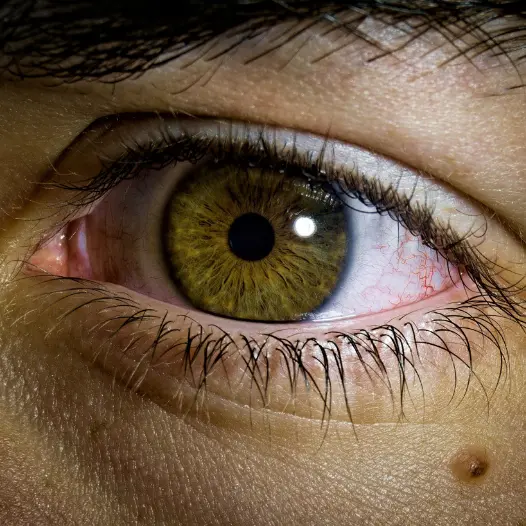
Jaundice is the yellowing of the skin, the white area of the eyes, and the mucous membranes. Jaundice results when the liver is not able to remove bilirubin from the blood. Bilirubin is a yellow pigment created by the body when it breaks down old red blood cells. Normally, the liver modifies bilirubin by combining it with a protein and sends it down into the intestines through a channel called the bile duct. When the liver does not work properly, bilirubin builds up in the blood and spills over into the surrounding tissues, resulting in a yellow appearance.
Jaundice Symptoms You Should Not Ignore
The yellowish hue of the skin and eyes is an obvious sign of jaundice, but they do not happen all at once. The progression of the yellowish hue can be so slow that others will detect it before you know it is happening. Depending on the cause of jaundice, as well as the speed of onset, will be the degree of symptoms experienced by each individual. Additional symptoms associated with jaundice include:
- yellowing of the white of the eyes
- dark-coloured urine
- fever or chills
- stomach pain
- flu-like symptoms
- pruritus (itchy skin)
- drowsiness or confusion
- weight loss
Some people may experience few to no symptoms other than the yellowish discolouration of the skin and eyes. In many cases, a doctor will discover jaundice while conducting a routine examination. As stated above, jaundice is indicative of an underlying condition that requires medical care.
Jaundice Causes: Why Does It Happen?
Jaundice occurs as a result of a malfunction in one of two areas involved in processing bilirubin in your body: breaking down red blood cells, eliminating bilirubin from your bloodstream, or transporting bilirubin from the liver to the intestines. The way you contract jaundice will depend on which area of your liver is malfunctioning and why:
Prehepatic Jaundice
This occurs before your liver receives your blood, when an enormous number of red blood cells are destroyed quickly and exceed your liver's ability to filter enough bilirubin from the blood. Examples of situations that lead to this type include heavy bruising that leads to rapid absorption and reabsorption into the bloodstream, and haemolytic anaemias—conditions characterised by early death of red blood cells before they reach the end of their expected lifespan.
Hepatic Jaundice
This occurs within the liver itself when it cannot sufficiently eliminate bilirubin from your blood. Viruses like hepatitis A, B, and C are examples of viral pathogens that trigger this response. In addition to viral infections, other reasons include autoimmune diseases, rare genetic disorders, specific drugs (such as penicillin and oestrogen-based birth control pills), and excessive dosages of acetaminophen.
Post-hepatic (obstructive) Jaundice
This occurs after bilirubin has been processed and an obstruction prevents it from moving from the liver into the bile ducts. Bile ducts or narrowing, cancer of the gall bladder, and tumours growing in the pancreas obstruct bilirubin flow.
Jaundice Diagnosis: How is it Identified?
Doctors use laboratory testing to determine how much bilirubin exists in your blood to determine if the elevated levels were generated as a result of red blood cell degradation or damaged liver tissue. Both factors contribute toward identifying a likely source of jaundice.
Your physician will also perform a physical examination to look for other indications of liver dysfunction, such as bruising or vascular lesions (varices) on your skin surface or reddening on your palms and fingers. Additionally, he/she will assess the size and tenderness of your liver. Imaging studies (i.e., ultrasound/CT scans) may be requested to further assess the extent of liver injury/damage or to identify a source of jaundice. Rarely, a liver biopsy may be performed to confirm damage/disease present in your liver.
There are several risks associated with leaving jaundice untreated. Some risks include spreading viral infections further or allowing them to become chronic. Allowing untreated liver failure could result in coma or death. Due to these risks, it is essential to seek medical attention as quickly as possible.
Jaundice Treatment: Effective Medical Options
As there is no singular treatment specifically aimed at addressing jaundice, a healthcare provider will focus on diagnosing and treating the underlying cause(s). Typically, after addressing the primary cause(s) of jaundice, it resolves independently.
If a viral infection is identified as the reason for developing jaundice, your healthcare provider will manage that infection. If a medication has triggered jaundice, your healthcare provider may either lower the dose of that medication or replace it with an alternative medication. If a blockage in the bile ducts causes the development of jaundice, your healthcare provider will attempt to correct that blockage. Complications arising from jaundice (for example, chronic itching skin) can be managed with prescribed medications until the underlying cause is resolved.
Untreated jaundice presents several risks. Untreated viral infections can potentially spread further or remain chronic. Unaddressed liver failure can potentially result in coma or even death. Therefore, timely evaluation by a healthcare provider is crucial.
Jaundice Prevention: Tips to Protect Your Liver
Since there are many different types of jaundice, there is no foolproof method of preventing it. There are, however, several methods you can employ to significantly lower your chances:
- Obtain vaccinations against hepatitis to prevent viral infections that target your liver.
- Employ safe sexual practices and refrain from sharing needles to minimise the risk of contracting hepatitis.
- Regularly wash hands with soap and water.
- Follow alcohol consumption guidelines provided by health organisations.
- Maintain a healthy weight.
- Consume reasonable amounts of vitamin supplements/natural/herbal remedies, as excessive amounts create added stress on your liver. Excessive herbal/natural remedies are one of the most common causes of drug induced liver injury/Jaundice.
- Maintain healthy cholesterol levels through diet/exercise/doctor recommendations.
By maintaining regular healthy routines daily, protect your liver from potential issues that could lead to jaundice.
When to Consult a Gastroenterologist for Jaundice?
Call for immediate medical assistance anytime you exhibit symptoms indicating you may be experiencing jaundice. Because jaundice is an indicator that your liver requires medical evaluation, you want to receive an accurate medical diagnosis as soon as possible. Although the skin/yellowish colour may seem light at times, do not assume it will resolve on its own. A gastroenterologist can diagnose the underlying cause(s) of your jaundice and initiate treatments necessary to prevent any damage prior to it becoming severe or generating significant secondary complications.
Conclusion
Jaundice signifies that you require immediate medical attention. Jaundice is defined as high levels of bilirubin existing within your bloodstream, regardless of whether it results from infection, blockage, or an adverse reaction to medication. While you might initially begin to notice gradual changes in skin colour and/or eye colour over time due to jaundice, it should never be ignored. The sooner you obtain a diagnosis from a healthcare professional, the faster you will be treated for whatever caused your jaundice and begin recovering. If you suspect you have developed jaundice, either yourself or in someone else who lives with you, call for medical assistance immediately.
References
Vítek, L., & Tiribelli, C. (2020). Bilirubin: The yellow hormone? Journal of Hepatology, 73(6), 1485–1487. https://doi.org/10.1016/j.jhep.2020.07.020
Watchko, J. F., & Tiribelli, C. (2013). Bilirubin-induced neurologic damage — mechanisms and management approaches. New England Journal of Medicine, 369(21), 2021–2030. https://doi.org/10.1056/NEJMra1308124
Roche, S. P., & Kobos, R. (2004). Jaundice in the adult patient. American Family Physician, 69(2), 299–304.
Fargo, M. V., Grogan, S. P., & Saguil, A. (2017). Evaluation of jaundice in adults. American Family Physician, 95(3), 164–168.
Gondal, B., & Aronsohn, A. (2019). A systematic approach to patients with jaundice. Seminars in Interventional Radiology, 36(4), 252–258. https://doi.org/10.1055/s-0039-1698754

